
Dental Hygienist Appointments Prevention is the key to keeping your teeth and gums healthy long-term

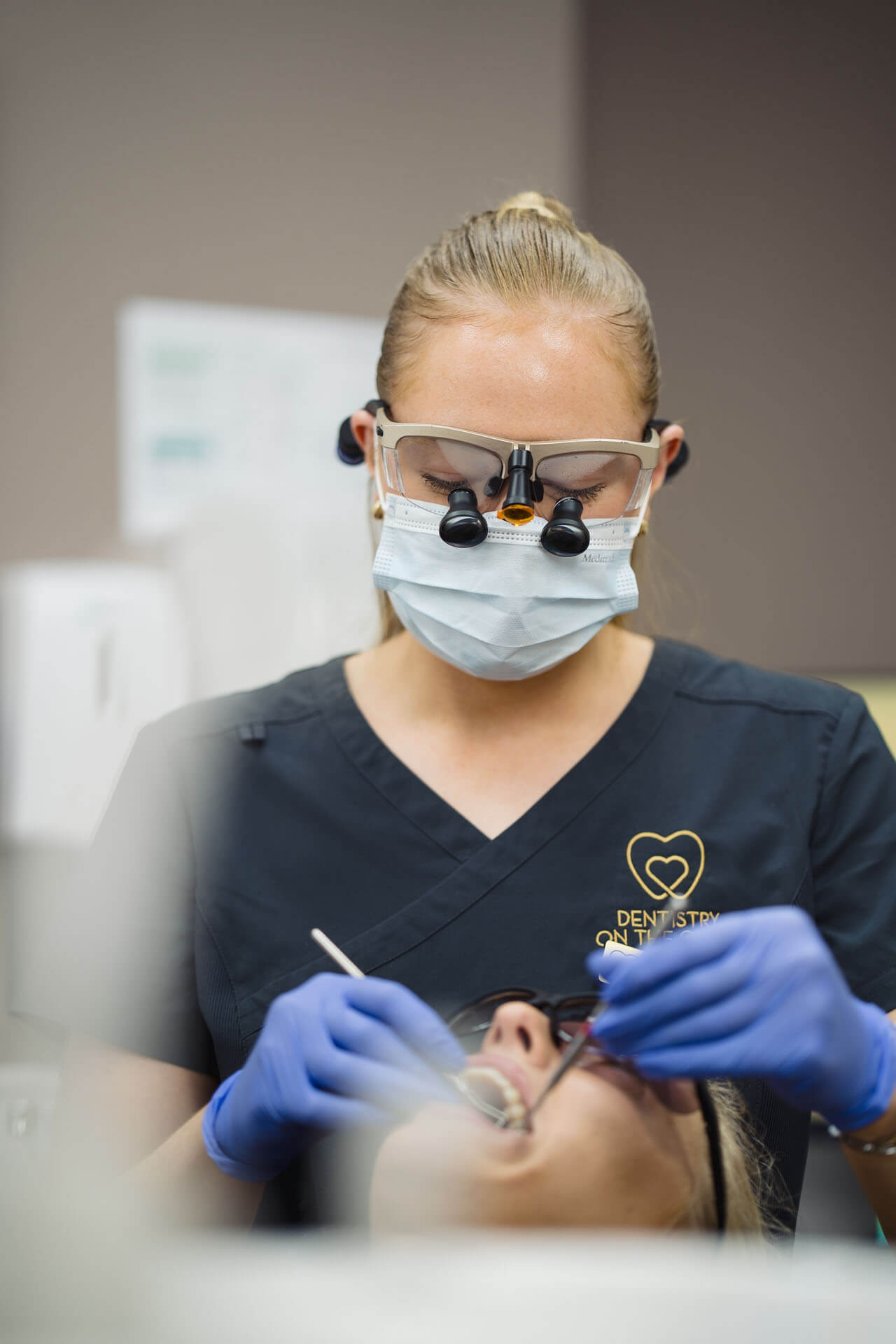
We have an experienced team of caring dental hygienists who provide thorough dental hygienist cleaning services; the classic “scale & polish” supported by modern Air Polishing technology.

They will also provide you with detailed oral health advice specific to you.


How often should I visit the dental hygienist?

Regular hygienist appointments are crucial to help prevent gum disease and gingivitis (irritated, sore, bleeding gums). Your dentist/hygienist will recommend how often you should visit the dental hygienist based on the health of your gums. Most people attend dental hygiene appointments every six months, but this may vary depending on your specific case.

Not only that – increasingly scientists are finding links between poor oral health and other systemic conditions such as heart disease, diabetes and even Alzheimer’s disease – making good oral hygiene crucial for overall health and wellbeing.

The Stages of Your Hygienist Appointment

Thorough Review of your Gums

Your hygienist will examine your gums thoroughly and may take some measurements of the 'pockets' of your gums. This is an important part of the appointment to check whether your scores are stable over time

The "Scale & Polish"

Scaling: Your hygienist will scale in the pockets, crevices and tricky to reach areas that are difficult to access
Polishing: She will then polish your teeth using our new ‘Air Polishing’ system to make your teeth feel shiny and sparkly!

Oral Health Advice Specific to You

Your hygienist provide you with oral health advice tailored specifically to your individual needs. Little ‘food traps’ between teeth can cause cavities and your hygienist will advise you on how to clean these tricky areas, for example with floss or specialised brushes

Worried about Gum Disease?

If you have bleeding, inflamed gums that hurt when you chew, and if problems persist despite your best efforts at maintaining a good oral hygiene routine, you may need more intensive, advanced treatment.

At Dentistry on the Grove, we provide a wide range of dental and hygienist treatments for patients across Bournemouth, Poole, Christchurch and the surrounding areas.

Address
Dentistry on the Grove
42 Southbourne Grove
Bournemouth, Dorset
BH6 3RT

Patient Car Park Postcode BH6 5AB

Phone number
01202 443882

Email
hello@dentistryonthegrove.uk
What our patients say

I love this dentist practice ! Tracey is the best dentist ever and Sheelam is such an amazing and caring hygienist! So glad I found this dental practice and highly recommend them to anyone who is slightly nervous or just wants their dentistry experience to be as pleasant as possible !

Dave Sarah

Absolutely first class in every way. Greeted at the desk by happy, friendly staff, treated by an extremely caring hygienist and a professional and knowledgeable dentist – all in beautiful surroundings. I have extremely sensitive teeth and have always dreaded visiting the hygienist- not now! I am confident that there will be no pain. Highly recommend this practice.

M. Longmuir

Sheelam has treated me over the years with patience and understanding resulting in a comfortable mouth with teeth and gums restored to health without fear

A. S.

Dentistry on the Grove… are now like old friends.
They are skilled, friendly and reassuring.
Mouth all sparkly!!
Thank you.

D. Sinden

Frequently Asked Questions

How often should I see a hygienist?

The frequency of hygiene appointments varies depending on your oral health and risk of gum disease. Many patients benefit from hygiene visits every six months, while others with gum disease may require more regular maintenance appointments. Your dentist or hygienist will recommend how many hygiene maintenance appointments you should have, based on your oral health and gum measurements.

I have bleeding gums. What should I do?

Bleeding gums are a sign that you have inflammation around the gums, likely caused by gingivitis (the early stages of gum disease). It’s important to have a dental check-up and to schedule a hygienist appointment to assess and get advice on the problem. Certain medications such as blood thinners can also cause bleeding gums, as can brushing too hard.

Can gum disease lead to tooth loss?

Yes, if left untreated, advanced gum disease can damage the bone and tissues supporting the teeth, potentially leading to tooth loss over time. Early treatment and ongoing maintenance are important for protecting oral health.

Can smoking affect gum disease?

Yes, smoking is a major risk factor for gum disease and can affect healing following treatment. Smoking may also mask some symptoms of gum disease, making it harder to detect in the early stages.

Do you have Membership plans?

Yes, we have membership plans to take care of your routine dental & hygiene appointments that also offer a discount on treatment

Partners & Awards